Cleaning the hard way costs time and leaves a mess. Here is how dry ice compares with the usual methods.
Water
Water gets into wiring and bearings, and parts need time to dry. Dry ice adds no water, so the surface is left dry.
Solvents
Solvents mean fumes, storage and disposal. Dry ice uses no solvents and leaves no chemical waste.
Sand and grit
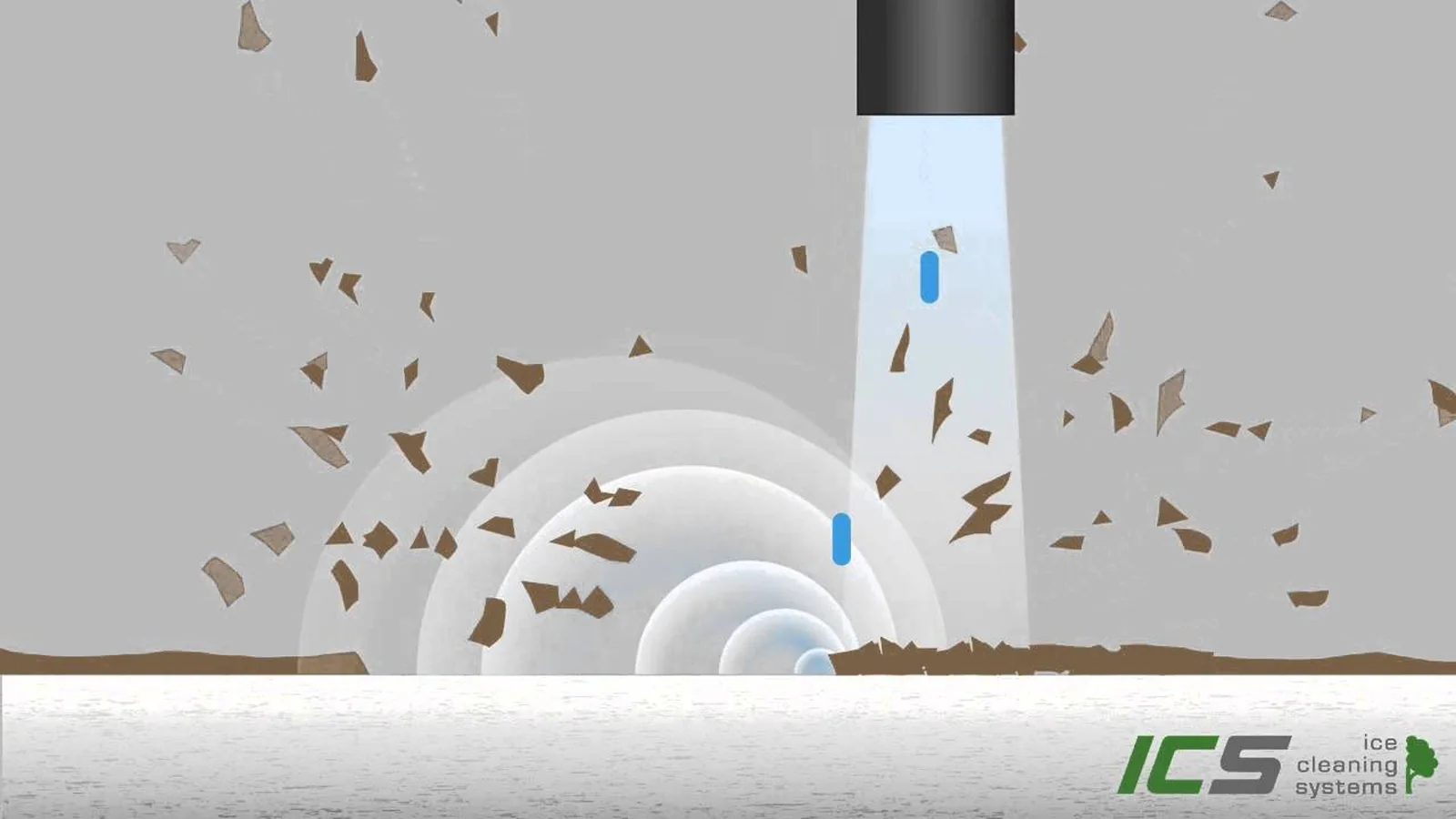
Sand and grit can scratch delicate surfaces. With dry ice the pellet turns to gas, so there is no grit to sweep. On delicate parts, test a small spot first and turn the pressure down.
Where dry ice fits best
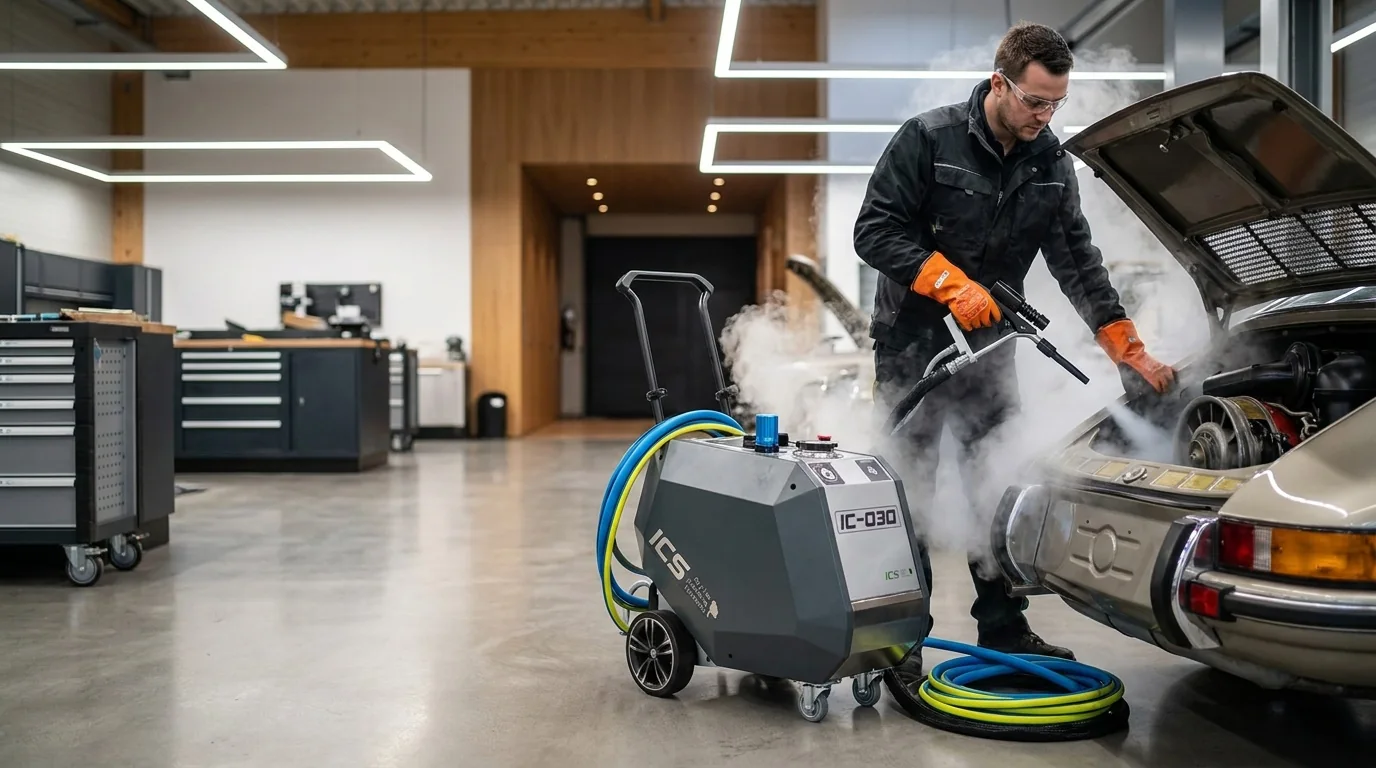
- Cars and restoration: engine bays, undercarriages and interiors, with no water near the wiring.
- Industry and maintenance: molds, production lines, pneumatic and electrical lines.
- Food and aerospace plants: both use dry ice cleaning because it adds no water and no chemical residue. Your own sanitation and quality rules still apply.
Where it is not the best tool
Dry ice removes grease, oil and grime well. For thick rust or heavy coatings, another method can be faster. Tell us what you clean and we say so.
By LABCO2